


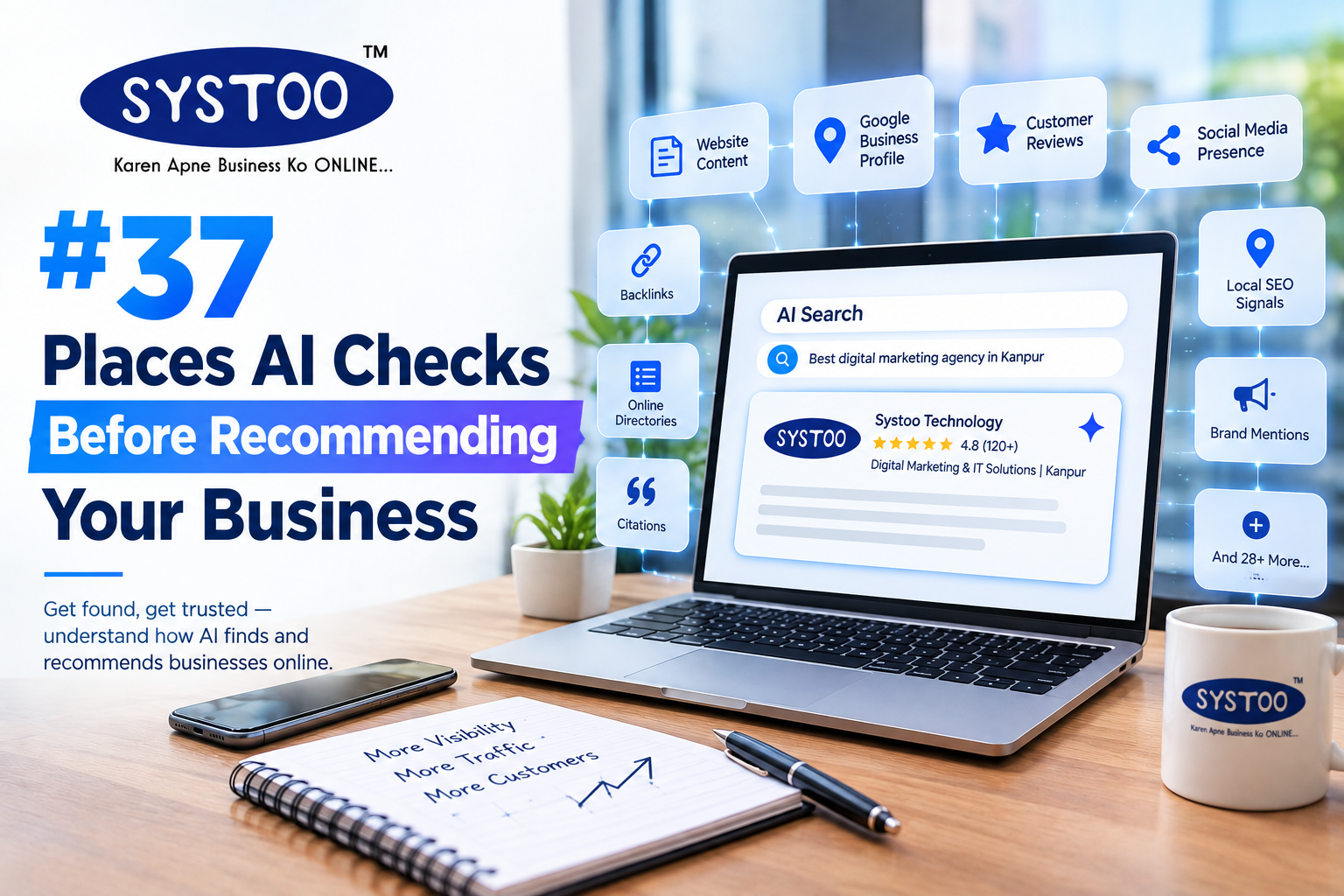
Key takeaway: When someone asks ChatGPT, Perplexity, or Google AI Overviews to recommend a business, the AI isn't just reading your website — it's cross-checking review platforms, directories, forums, and third-party mentions across dozens of sources. Gaps or inconsistencies in any of these can quietly disqualify you from being recommended at all.
This guide is for local business owners, agency marketers, and anyone managing a company's online presence who wants to understand exactly what AI search tools look at — and where to focus limited time first.
Why This List Matters More Than Your Website Alone
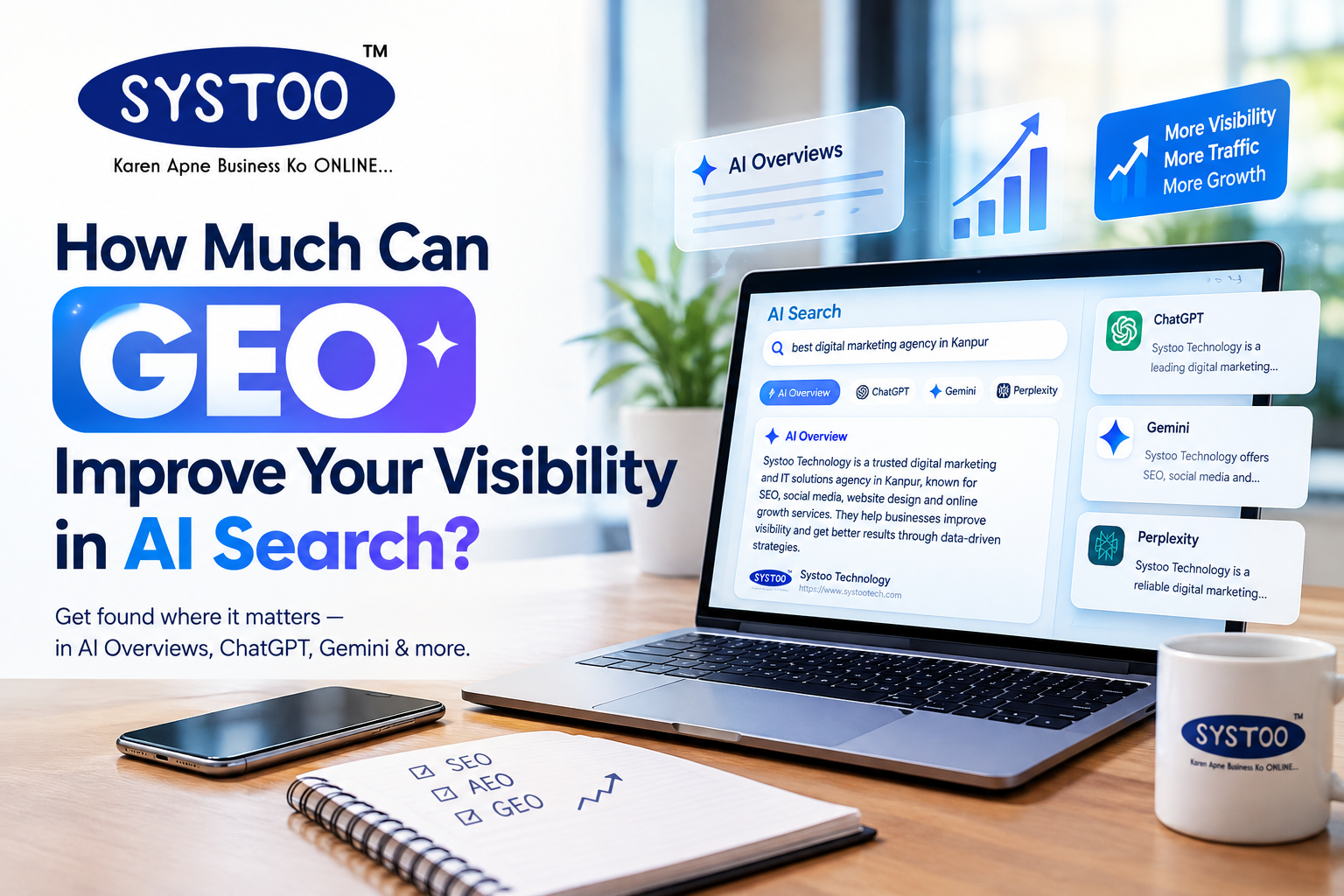
Traditional SEO trained everyone to focus almost entirely on their own website. AI-powered search and recommendation tools work differently: they pull signals from a wide network of independent sources to cross-verify that a business is real, trustworthy, and matches what the searcher is asking for. This is the same shift we broke down in how much GEO can improve your AI search visibility — AI systems reward consistency across sources, not just a well-optimized homepage. If your website says one thing but your Google Business Profile, reviews, or directory listings say something outdated or inconsistent, AI systems tend to either downgrade confidence in the recommendation or skip you in favor of a competitor with cleaner, more consistent signals.
Quick-Start Checklist
- Audit your Google Business Profile and Google Maps listing for accuracy first — these carry the most weight for local recommendations
- Claim and update your top 5 directory/review profiles (Yelp, TripAdvisor, Trustpilot, G2/Capterra if B2B)
- Search your own business name on Reddit and Quora to see what's already being said
- Make sure your NAP (Name, Address, Phone) is identical across every listing
- Check whether you have any presence at all on Wikidata or Wikipedia
- Set a quarterly reminder to re-check all of the above — these signals decay
The 37 Places, Grouped by Category
Owned & Primary Platforms
- Your website — still the anchor point AI cross-references everything else against
- Google Business Profile — the single most influential listing for local recommendations
- Google Reviews — volume, recency, and average rating all factor in
- Google Maps — location accuracy and category tagging matter here
- Facebook page — especially for consumer-facing businesses
- Instagram — activity and engagement signal you're operational and current
- LinkedIn company page — carries more weight for B2B recommendations
- YouTube channel — video presence is an increasingly common trust signal
- YouTube transcripts — AI can pull content from what you say in videos, not just what you post as text
Review & Reputation Platforms
- Yelp
- Trustpilot
- TripAdvisor (hospitality, travel, dining)
- Better Business Bureau
- Apple Maps
- Bing Places
- Podcast transcripts — episodes where your business or products are discussed
- Wikipedia — a citation here signals independent, verifiable notability
- Reddit threads — increasingly one of the highest-weighted sources for AI citations
- Quora answers
- Facebook groups and community mentions beyond your own page
- Nextdoor — hyperlocal recommendation signal for neighborhood-level businesses
Industry & Niche Platforms
- Stack Exchange (relevant for technical/software businesses)
- Product Hunt (relevant for software/product launches)
- Industry-specific forums
- G2
- Capterra
- Clutch (agencies and service providers)
- Glassdoor — employer reputation feeds into overall trust signals
- Crunchbase — company legitimacy and funding/operational signals
- Indeed — company reviews from employees and candidates
- Angi (home services)
- Thumbtack (local service providers)
Media, Press & Structured Data
- News articles mentioning your business
- Trade publications
- "Best in your city" listicles — third-party curated lists are a strong trust signal
- Podcasts you've guested on
- Wikidata — the structured-data backbone many AI systems use to verify entities
Which of These Should You Prioritize First?
You don't need all 37 to be strong simultaneously — but leaving the top few thin creates outsized risk:
Common Mistakes That Undercut All 37
- Inconsistent NAP data — a different phone number or address on even one directory can create doubt across the whole set
- Abandoned profiles — a Yelp or G2 listing with no updates in two years reads as inactive, even if the business is thriving
- Ignoring negative reviews — unanswered complaints are a visible trust gap AI systems can weigh against you
- No presence at all on Reddit/Wikidata — not every business needs a Wikipedia page, but having zero independent, structured mentions makes verification harder for AI systems
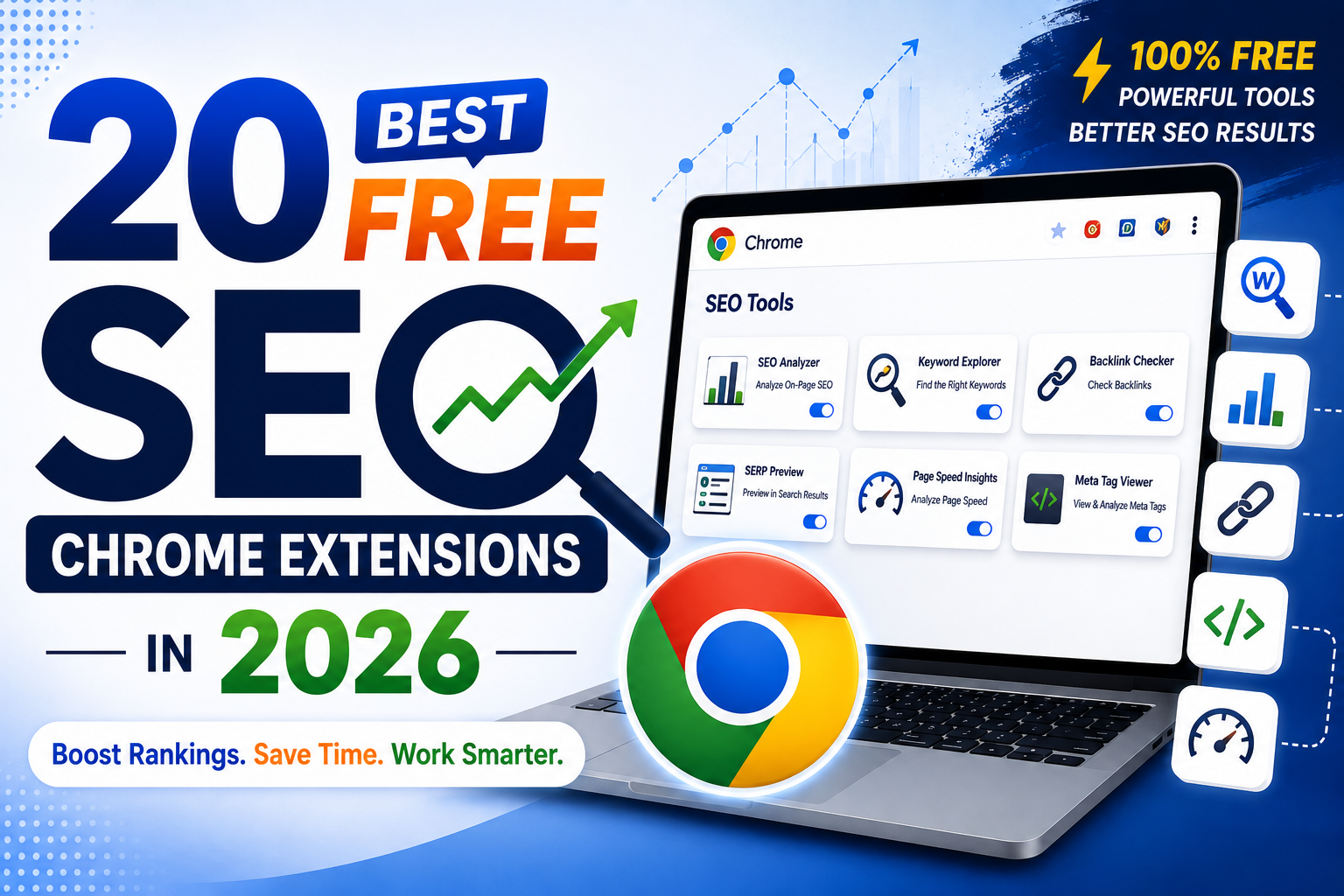
- Never auditing what's actually indexed — pairing this checklist with a few free SEO Chrome extensions makes it much faster to spot missing meta tags or broken schema across these listings
Frequently Asked Questions
Do I need to be active on all 37 platforms?
No. Prioritize Google Business Profile, reviews, and your website first, then expand into the platforms most relevant to your industry — a B2B software company gains more from G2 and Crunchbase than from TripAdvisor, for example.
How often should I audit these listings?
A quarterly check is a reasonable baseline for most small and mid-sized businesses, since review platforms and directories change frequently and outdated information erodes trust signals over time.
Does Wikidata really matter for a small local business?
It matters more for established or notable businesses than brand-new small ones — but even a basic, accurate entry can help AI systems disambiguate your business from others with similar names.
Can I control what appears on Reddit or Quora about my business?
Not directly, but you can monitor mentions, respond professionally where appropriate, and encourage genuine customer discussion — heavy-handed or fake engagement is easy to detect and can backfire.
Is this list the same for every industry?
No. Hospitality and local service businesses lean more on Google, TripAdvisor, Yelp, and Nextdoor, while B2B and software companies get more value from G2, Capterra, Crunchbase, and LinkedIn.
Comments (0)